
 11
11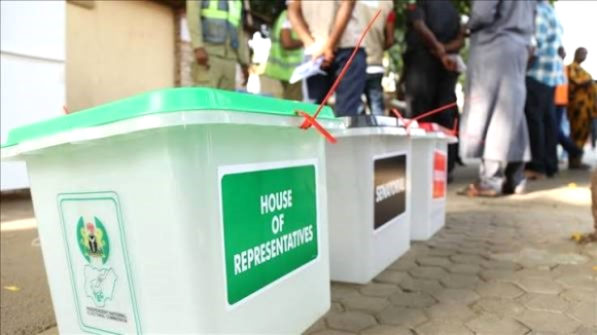
“Politicians won’t change anything” — I hear it daily. But democracy isn’t just voting every 4 years. Health Fact #77 equivalent for democracy: Citizens who engage between elections get better roads, schools, and hospitals.
You don’t need to be a senator to have power. Here are 5 legal, practical ways Nigerian youth can influence decisions in 2026:
1. Know Your Reps + Use Them
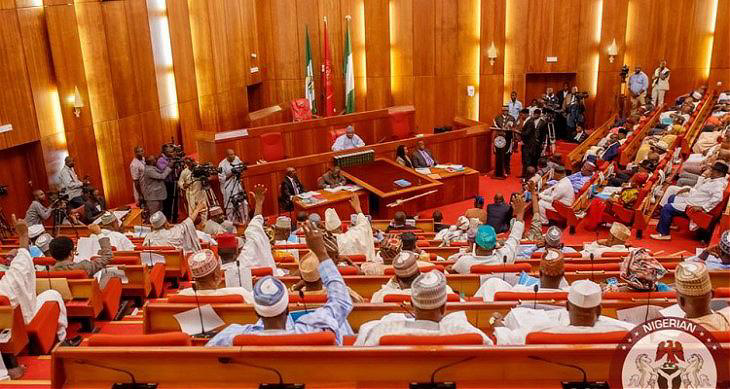
Do this: Find your House of Assembly member + House of Reps member + Senator for your constituency. Their office phone/email is public on NASS/CAN website.
Why: They’re paid to represent you. 50 emails about bad road in your area = they raise it in plenary. No email = “no one is complaining”.
Pro tip: Be specific. “Fix pothole at UNN Gate” > “Fix Nigeria”.
2. Attend Town Hall / Constituency Meetings
Do this: Most lawmakers hold quarterly town halls. Check their social media. Go with 1 question + 1 solution.
Why: These meetings are recorded and reported. If 100 youth ask about JAMB fee/NEPA/streetlight, it becomes their priority. Empty hall = they assume you don’t care.
3. Track Budget + Projects in Your Area
Do this: Federal budget is public on budgetoffice.gov.ng. State budget on your state website. Search “Constituency Project” + your LGA.
Why: Money is allocated for your borehole, clinic, school renovation. If nothing happened, you have evidence to ask questions via FOI request or media. Corruption thrives in darkness.
4. Join/Start Issue-Based Advocacy, Not Just Online Rants
Do this: Pick 1 issue: power, water, school fees, campus security. Collect data + signatures from 200 students/residents. Write petition to LGA Chairman/VC/Commissioner.
Why: Government responds to organized groups + data + media pressure. “Twitter outrage” fades in 48hrs. Signed petition + community meeting gets file opened.
5. Register + Vote + Protect Your Vote
Do this: Ensure your PVC is ready for 2027. On election day, vote + stay till results are pasted at polling unit. Snap result sheet.
Why: 18-35 year olds are 39% of registered voters but have lowest turnout. Low turnout = your future decided by 10% of population. Vote is your loudest 4-year voice.
3 Myths That Keep Youth Quiet:
Bottom Line
Democracy = government “of the people, by the people, for the people”. If “the people” stay silent, government becomes “of the politicians, by the politicians”. Your voice + action between elections matters more than one vote.
Important: This is civic education, not partisan content. It doesn’t support any party or candidate. It explains how democratic participation works in Nigeria per 1999 Constitution.