

 11
11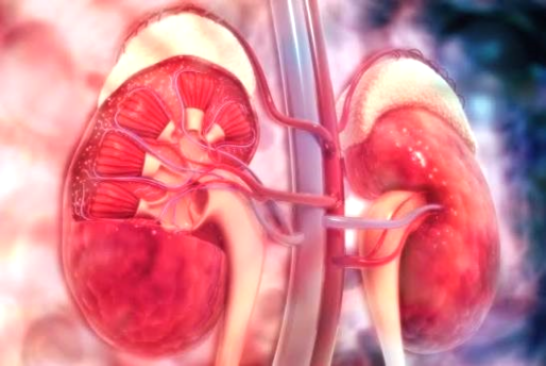
Most people think about their heart, lungs, or brain when discussing important organs. However, the kidneys are among the hardest-working organs in the human body.
Every day, your kidneys filter waste products, balance fluids, regulate blood pressure, and help maintain overall health. Despite their importance, kidney disease often goes unnoticed until significant damage has already occurred.
Health experts describe kidney disease as a “silent killer” because many people experience few or no symptoms during its early stages.
The kidneys are two bean-shaped organs located on either side of the spine.
Their primary functions include:
When the kidneys stop functioning properly, harmful waste can build up in the body.
Medical professionals have observed a rise in kidney-related illnesses worldwide.
Several factors contribute to this trend, including:
High blood pressure is one of the leading causes of kidney damage.
When blood pressure remains elevated for long periods, it can damage the delicate blood vessels inside the kidneys, reducing their ability to filter waste effectively.
Diabetes is another major risk factor.
High blood sugar levels can damage kidney tissues over time, leading to chronic kidney disease. People living with diabetes are encouraged to monitor kidney function regularly.
Many people frequently take pain-relief medications without medical supervision.
Long-term or excessive use of certain painkillers may increase the risk of kidney damage, especially when combined with dehydration.
Water is essential for proper kidney function.
Consistently drinking too little water can make it harder for the kidneys to remove waste and may increase the risk of kidney stones.
Kidney disease can be difficult to detect because symptoms often appear gradually.
Common warning signs include:
Anyone experiencing these symptoms should seek medical evaluation.
Proper hydration helps the kidneys remove toxins and maintain normal function.
While individual needs vary, drinking water regularly throughout the day is important.
Monitoring and managing blood pressure is one of the most effective ways to protect kidney health.
Regular exercise and a healthy diet can help maintain normal blood pressure levels.
Consuming too much salt may increase blood pressure and place additional strain on the kidneys.
Health experts recommend limiting highly processed foods and salty snacks.
Obesity increases the risk of diabetes, hypertension, and kidney disease.
A balanced diet combined with regular physical activity can help maintain a healthy weight.
Smoking damages blood vessels and reduces blood flow to the kidneys.
Quitting smoking can significantly improve overall health and reduce kidney disease risk.
Routine medical examinations can help detect kidney problems early.
Simple blood and urine tests can identify signs of kidney disease before serious complications develop.
Kidney disease affects millions of people worldwide and is becoming a major public health concern.
Unfortunately, many patients do not discover the condition until the kidneys have already suffered significant damage. Advanced kidney disease may require dialysis or a kidney transplant, both of which can be physically, emotionally, and financially challenging.
This makes prevention and early detection extremely important.
Some kidney conditions can be treated successfully if detected early. However, chronic kidney disease often requires long-term management rather than a complete cure.
People with diabetes, high blood pressure, or a family history of kidney disease should discuss regular kidney screenings with their healthcare provider.
While hydration is important, excessive water intake is not necessarily beneficial. Most people should aim for balanced hydration based on their body’s needs and medical advice.
Kidney disease remains one of the most overlooked health conditions despite its potentially serious consequences. Because symptoms often appear late, regular health checkups and healthy lifestyle choices are crucial.
By staying hydrated, controlling blood pressure, maintaining a healthy diet, and monitoring risk factors such as diabetes, individuals can take important steps toward protecting their kidneys and improving their long-term health.
Your kidneys work around the clock to keep you healthy. Taking care of them today can help prevent major health problems tomorrow.