
 11
11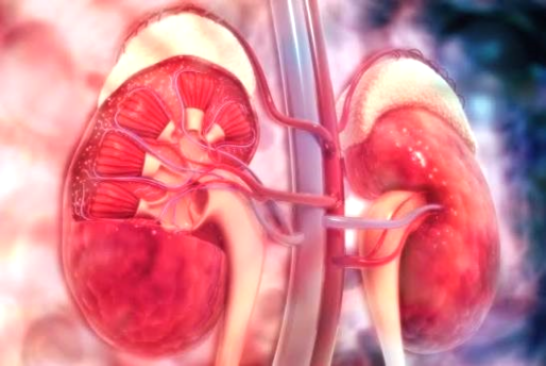
Your kidneys are among the most important organs in your body. Every day, they work tirelessly to filter waste, remove excess fluids, balance minerals, and help regulate blood pressure.
Unfortunately, kidney disease often develops silently, with many people unaware they have a problem until significant damage has occurred. The good news is that many kidney diseases can be prevented through healthy lifestyle choices.
Here are 10 proven ways to keep your kidneys healthy and functioning properly for years to come.
Water helps the kidneys remove toxins and waste products from the body.
When you don’t drink enough water, waste can build up and increase the risk of kidney stones and urinary tract infections. Staying hydrated supports healthy kidney function and helps the body operate efficiently.
Aim to drink water regularly throughout the day, especially during hot weather or physical activity.
High blood pressure is one of the leading causes of kidney disease.
When blood pressure remains high for long periods, it can damage the tiny blood vessels inside the kidneys, reducing their ability to filter blood properly.
Regular blood pressure checks can help identify problems early.
Diabetes is another major cause of kidney failure worldwide.
High blood sugar levels can damage kidney tissues over time. People living with diabetes should carefully monitor their blood sugar and follow medical advice to reduce kidney-related complications.
A healthy diet can significantly reduce the risk of kidney disease.
Focus on:
Reduce excessive consumption of:
Healthy eating supports both kidney and heart health.
Physical activity helps maintain a healthy weight, improves blood circulation, and lowers blood pressure.
Experts recommend at least 30 minutes of moderate exercise most days of the week. Activities such as walking, cycling, jogging, and swimming are excellent choices.
Smoking damages blood vessels throughout the body, including those that supply the kidneys.
Research shows that smokers are at a higher risk of developing kidney disease and experiencing faster kidney function decline.
Quitting smoking benefits nearly every organ in the body.
Many people frequently take pain-relief medications without realizing their potential effects on the kidneys.
Overuse of certain painkillers may damage kidney tissues, especially when taken for long periods.
Always follow medical advice and avoid unnecessary medication use.
Being overweight increases the risk of diabetes, high blood pressure, and kidney disease.
Maintaining a healthy weight through balanced nutrition and regular exercise can significantly reduce these risks.
Even modest weight loss can improve overall health.
Excessive alcohol consumption can affect blood pressure and place additional stress on the kidneys.
Moderation is important for maintaining healthy kidney function and reducing long-term health risks.
Routine medical examinations can detect kidney problems before symptoms appear.
Simple blood and urine tests can reveal early signs of kidney disease, allowing treatment to begin before severe damage occurs.
People with diabetes, high blood pressure, or a family history of kidney disease should pay particular attention to regular screenings.
Although kidney disease often develops silently, possible symptoms include:
Anyone experiencing these symptoms should seek medical attention promptly.
Kidney disease can lead to serious complications, including kidney failure, heart disease, and the need for dialysis or a kidney transplant.
Preventive measures are often far easier and less expensive than treating advanced kidney disease. Taking care of your kidneys today can help you avoid major health problems in the future.
Your kidneys work around the clock to keep your body healthy, but they need your support. By drinking enough water, eating nutritious foods, exercising regularly, controlling blood pressure and blood sugar, and avoiding harmful habits such as smoking, you can greatly reduce your risk of kidney disease.
Protecting your kidneys is not just about preventing illness—it’s about investing in a longer, healthier life.