
 11
11
The bladder is one of the most important organs in the urinary system, yet many people know very little about its function until a problem develops.
This hollow, muscular organ stores urine produced by the kidneys until it is ready to be expelled from the body. When the bladder becomes diseased or damaged, it can significantly affect a person’s comfort, health, and quality of life.
Millions of people worldwide suffer from bladder-related conditions, ranging from infections and incontinence to more serious diseases such as bladder cancer.
Understanding the warning signs can help individuals seek treatment early and prevent complications.
The bladder serves as a storage tank for urine.
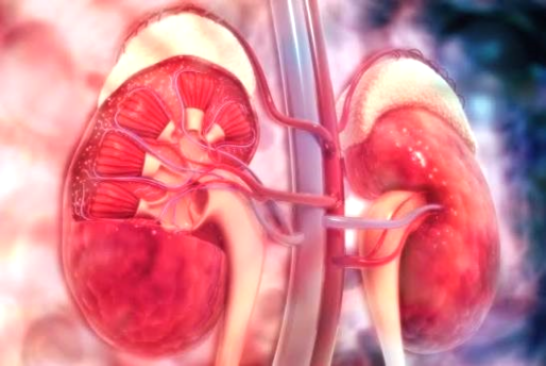
After the kidneys filter waste from the blood, urine travels through tubes called ureters into the bladder. When the bladder fills, nerve signals tell the brain that it is time to urinate.
A healthy bladder can typically hold urine for several hours before emptying.
One of the most common bladder conditions is a urinary tract infection.
UTIs occur when bacteria enter the urinary system and multiply. Women are generally more likely to develop UTIs, but men can also be affected.
Symptoms include:
Prompt treatment is important to prevent the infection from spreading to the kidneys.
Overactive bladder occurs when the bladder muscles contract unexpectedly, creating a sudden urge to urinate.
People with this condition may experience:
Although not usually life-threatening, overactive bladder can affect daily activities and sleep quality.
Urinary incontinence refers to the loss of bladder control.
This condition can range from occasional urine leakage when coughing or laughing to a complete inability to control urination.
Common causes include:
Bladder stones form when minerals in urine crystallize and harden inside the bladder.
Symptoms may include:
Smaller stones may pass naturally, while larger stones often require medical treatment.
Bladder cancer is one of the most serious bladder diseases.
It develops when abnormal cells grow uncontrollably within the bladder lining.
Possible warning signs include:
Early diagnosis greatly improves treatment outcomes.
Several factors can increase the likelihood of developing bladder problems.
Smoking is one of the leading risk factors for bladder cancer.
Harmful chemicals from tobacco can accumulate in urine and damage bladder cells.
Not drinking enough water can increase the risk of infections and bladder stones.
As people age, the risk of bladder-related conditions generally increases.
Repeated urinary tract infections can contribute to long-term bladder problems.
Some industrial chemicals have been linked to an increased risk of bladder cancer.
Seek medical attention if you experience:
Early medical evaluation can prevent serious complications.
Adequate hydration helps flush bacteria and waste products from the urinary system.
Quitting smoking significantly reduces the risk of bladder cancer.
Proper hygiene can help prevent urinary tract infections.
Regularly emptying the bladder may help reduce infection risk.
Excess weight can place pressure on the bladder and contribute to urinary problems.
A diet rich in fruits, vegetables, and whole grains supports overall urinary health.
Many bladder diseases can be treated successfully when diagnosed early.
Unfortunately, some individuals ignore symptoms such as blood in the urine or persistent urinary discomfort, allowing the condition to worsen.
Routine medical checkups and prompt evaluation of unusual symptoms remain the best defenses against serious bladder disease.
The bladder plays a vital role in removing waste from the body and maintaining overall health. Conditions such as urinary tract infections, overactive bladder, bladder stones, urinary incontinence, and bladder cancer can affect people of all ages.
By staying hydrated, avoiding smoking, maintaining healthy habits, and seeking medical attention when symptoms arise, individuals can significantly reduce their risk of bladder-related diseases.
Protecting bladder health today can help ensure a healthier future tomorrow.